Toronto Police will close the Vulnerable Persons Registry on November 3, 2026, and existing records will not move to any other service. Instead, police point families to ways of sharing information they choose during a 911 call: a MedicAlert membership, Apple Medical ID or Android emergency settings.
If your mom or dad lives with dementia and you signed them up, that is a lot to absorb in a few weeks. The registry was free, and it could hold a photo, a description and the places a person might go.
The good news is that most of what made it useful can be rebuilt by your family, starting this week. Below is what is changing and a checklist to finish before November 3. Then how the replacement options work, in Toronto Police's own words, and what to do in the first hour if your parent goes missing.
When is the Toronto Police Vulnerable Persons Registry closing?
The Toronto Police Service will decommission the Vulnerable Persons Registry (VPR) effective November 3, 2026. After that date, its records will no longer be available through the registry system. Police say the registry saw low sign-ups and that newer technology gets information to responders earlier in an emergency.
The registry launched in 2019 as a free, voluntary database. The person themselves, a parent or guardian, or someone with power of attorney could give police a description, a photo and emergency contacts. They could also list behaviours officers might see, topics to avoid, and places the person might go if reported missing. It was used for people living with dementia, autism and other conditions.
Toronto Police give three reasons for closing it, on the registry's own page:
- Registration levels stayed relatively low.
- Information could not always be matched to a person early enough in an emergency.
- New technology now gives responders other ways to get important information earlier.
On the first point, a 2024 report by Toronto's Ombudsman found only 305 people had registered, CBC Toronto reported. Advocates still valued what it offered. The Alzheimer Society of Toronto told CBC the registry gave caregivers peace of mind. It also raised a concern that paid alternatives could be a barrier for families already paying for care.
What happens to the information already in the registry?
Toronto Police say records already in the registry will be kept for up to one year after November 3, 2026, and then disposed of. They will not be transferred to RapidSOS, MedicAlert or any other service or app. If your parent is registered, the information you gave police will need to live somewhere new.
Three other points from Toronto Police's decommissioning notes:
- New sign-ups: police now recommend against registering, and say new registrations will likely be switched off before November 3.
- Direct contact: police plan to write to current registrants directly, and to post more information about alternatives on tps.ca before the closing date.
- Questions: you can email VPR@tps.ca. Police say that address will stay active after the registry closes.
For the wider picture, our look at the rise in missing seniors across Canada covers why this planning matters beyond Toronto.
Before November 3: the checklist to rebuild what the registry held
Most of what the registry held, you can keep yourself in a single folder and on your phone. The Alzheimer Society of Ontario's Finding Your Way identification kit covers the description, photo and places to look. Toronto Police name the phone settings and services that can share information during a 911 call.
Six in ten people with dementia become lost at some point, often without warning, according to the Alzheimer Society of Ontario's Finding Your Way program. Having these items ready means anyone in the family can quickly give searchers what they need.
| What to have ready | What it includes | Where the advice comes from |
|---|---|---|
| A recent photo | A clear head-and-shoulders photo, replaced as their appearance changes | Finding Your Way identification form |
| A written description | Height, weight, eye and hair colour, glasses or hearing aids, dentures, scars or tattoos, languages spoken, nickname | Finding Your Way identification form |
| Medical details | Conditions, allergies, medications, what happens if a dose is missed, family doctor | Finding Your Way identification form |
| Places they might go | Former homes, a past workplace, favourite stores, the mall, the post office | Finding Your Way identification form |
| Car details, if they drive | Make, model, colour and licence plate | Finding Your Way identification form |
| Emergency contacts | Names, relationships and phone numbers, in the order to call | Finding Your Way identification form |
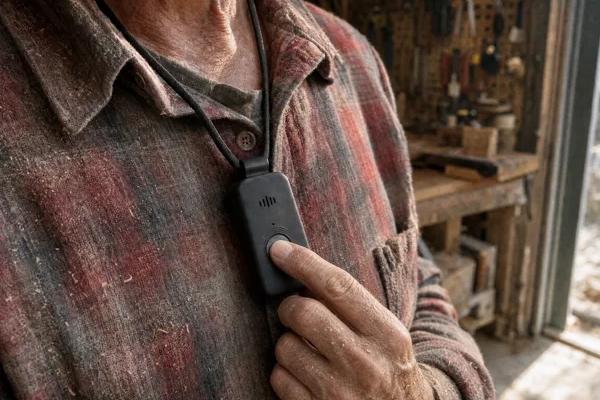
| ID they wear | An ID card or wearable ID saying they live with dementia; MedicAlert is one option police name | Alzheimer Society of Canada; Toronto Police |
| Phone emergency info | Medical ID (iPhone) or emergency information (Android), set to share during a 911 call | Toronto Police |
| Your own phone, if they have none | Their details in the medical notes on the caregiver's own phone | Toronto Police |
| A first-hour plan | Call 911 at once, say they have dementia, hand over the kit, someone stays home | Finding Your Way checklist; Toronto Police |
If a person living with dementia goes missing, call 911 immediately. You do not have to wait 24 hours.
Keep one paper copy by the door or in a kitchen drawer and one photo of each page on the phones of everyone on the contact list. The free Finding Your Way identification kit can be downloaded from the Alzheimer Society of Ontario's Finding Your Way website.
What do Toronto Police say replaces the registry?
As of October 14, 2026, Toronto Police have not announced a new registry to take its place. They say they now use additional information sources, including RapidSOS, which can provide information people have chosen to share through connected devices and services. Asked whether police will still have information in an emergency, they answer: "Yes, in some circumstances."
Toronto Police describe RapidSOS as a technology platform that helps emergency communication centres receive information from participating devices, apps and services during a 911 call. They use it to supplement what responders already know.
The options police encourage are:
- MedicAlert, a Canadian charity's medical ID and health record service.
- Apple Medical ID, set up in the Health app on an iPhone.
- Android Safety and Emergency settings, or the equivalent on your phone.
Toronto Police are clear that all of this is voluntary. You decide what, if anything, to share.
One honest difference is worth knowing. The registry was a file police held about your parent. The new route depends on information your parent, or you, has set up ahead of time, or on what you tell the call-taker when you phone. That is why the checklist above matters. Toronto Police also say that when you call 911 for someone else, you should tell the call-taker about any medical, communication or behavioural information that could help.
How do you set up Medical ID on an iPhone or Android for a parent?
On an iPhone, open the Health app, tap your profile picture, then Medical ID, add the details and turn on Share During Emergency Call. On Android, open Settings, find Safety and Emergency, and add medical information. These are the steps Toronto Police publish on their registry page.
For an iPhone, Toronto Police list these steps:
- Open the Health app.
- Tap your profile picture in the upper-right corner.
- Tap Medical ID.
- Tap Get Started (or Edit).
- Add the information you want to include, such as medical conditions and emergency contacts.
- Turn on Share During Emergency Call.
- Tap Done.
For Android, they list these:
- Open Settings.
- Look for Safety and Emergency (on some phones, Emergency or Medical Information).
- Select Medical Information.
- Add the information you want to include.
- Where available, make sure it is set to be accessible during an emergency.
Android menus vary by maker, so check your phone maker's support pages if the options look different. Toronto Police say both Apple and Android information can be shared with responders during a 911 call through RapidSOS.
What if your parent does not have a phone? Many people living with dementia do not carry one. Toronto Police say Medical ID and Android emergency information are designed for the phone's own user. But you can enter details about someone in your care in the medical notes on your own phone. They say that information will show up in RapidSOS when you call 911 from your phone.
So the caregiver's phone matters. If two or three family members might make the call, each of them can add a short note. Include your parent's name, that they live with dementia, their medications, and how they communicate best.
What does MedicAlert cost in Canada?
MedicAlert Canada listed its membership at $129.99 a year, or $12.99 a month with a four-month minimum, plus a one-time $75 registration fee, as of October 14, 2026. Its program for people living with dementia is called Safe & Found. A subsidy program can cover part or all of the cost for people with limited income.
MedicAlert is the only membership service on the police list, so it is worth knowing what you get. MedicAlert Foundation Canada is a charity. A member wears an engraved ID, and MedicAlert keeps a health record that first responders can reach.
- Connect Protect: MedicAlert describes this as a partnership with 911 dispatch centres, paramedics, police and fire services, giving first responders 24/7 secure access to members' health information.
- Through RapidSOS: MedicAlert says 911 centres can access member health information through RapidSOS UNITE, which it describes as available at no cost. Members still pay the membership fees above. Toronto Police add that a call-taker can find a member's record by searching RapidSOS if the person's MedicAlert number is known, even when the person has no phone.
- Help with cost: MedicAlert's IDEA program can cover the full cost for two years, or half of it for two years, for people with limited income. It accepts applications on a limited basis; ask at idea@medicalert.ca.
Prices change, so check medicalert.ca before you sign up. MedicAlert is one option among several: the Alzheimer Society of Canada also suggests a simple ID card that lets others know the person is living with dementia.
What should you do if a person with dementia goes missing?
Call 911 immediately and tell the call-taker the person lives with dementia. Do not wait 24 hours; Toronto Police say waiting can delay the investigation. Then give police your identification kit, including a recent photo, and tell them where your parent might go.
The Alzheimer Society of Ontario's Finding Your Way checklist calls a missing person with dementia an emergency. Here is its order, in short:
- Call 911. Say right away that the person lives with dementia.
- Say when you last saw them, as best you can.
- Hand over the identification kit, including the recent photo.
- Mention medical conditions and medications.
- Tell police where you think they may go: a former home, a past workplace, a favourite store.
- Mention any ID or locating device they have on them, such as a MedicAlert ID or a tracking device.
- Keep someone at home in case your parent comes back on their own.
- Tell friends, family and neighbours.
The checklist also suggests a quick search of the home itself, including closets, the basement and an attached garage. It advises against searching outside alone unless you have a fenced yard, and never alone in a rural area.
Anyone can report a person missing in Toronto, not only family. Police say they start investigating right away.
If late afternoons and evenings are harder for your parent, our explainer on why dementia can get worse in the evening covers what helps at that time of day.
Do other Ontario police services still have a vulnerable persons registry?
Yes. As of October 14, 2026, Peel, Durham, York and Halton police each run their own vulnerable person registry, and York also runs Project Lifesaver. Ottawa Police work with MedicAlert's Connect Protect instead. Each is a separate sign-up with its own rules, so check the local police page where your parent lives.
This matters for families spread across the Greater Toronto Area. If your parent lives in Mississauga, Oshawa, Markham or Oakville, the Toronto closing does not apply to them, and their local registry is the one to use. Durham's page says its registry complements any registration with the Alzheimer Society or MedicAlert.
Project Lifesaver, run by York Regional Police in that region, is a program to help police locate people who may get lost because of a cognitive condition. York's page says to call 911 right away if a participant is missing.
Should you add a locating device as well?
A locating device can make walking about safer, the Alzheimer Society of Canada says, but no single tool covers everything. The Society suggests combining strategies: an ID card, a door alarm that tells a caregiver when someone leaves, and a tracking device chosen to fit the person.
The Alzheimer Society of Canada starts from a point worth keeping in mind: people living with dementia have the right to move about as freely and independently as they can. It also prefers the words "walking" or "walking about" to "wandering," which some people find stigmatizing. The goal is a plan your parent can live with, ideally one they helped choose. If your parent does not see the changes in themselves, our piece on whether people with dementia know they have it can help with that conversation.
Tracking devices use a range of technologies. Some need a caregiver to receive an alert and start a search, so the Society suggests checking that a device fits the person's needs and routine before you buy.
If your parent lives alone, the registry's closing is a good prompt to review the whole safety plan, not only the missing-person part. Our safety guide for seniors living alone in Canada walks through the rest of the house.
Frequently asked questions
Can I still register for the Toronto Vulnerable Persons Registry?
Toronto Police now strongly recommend that people no longer register, because the registry closes on November 3, 2026. They say new registrations will likely be switched off before that date. Instead, put the same information in a Finding Your Way identification kit, and set up phone emergency information or another option police name.
Will my parent's registry information be transferred to RapidSOS or MedicAlert?
No. Toronto Police say registry records will not be transferred or shared with any other service or application. They will be kept for up to one year after November 3, 2026, and then disposed of. To keep the information useful, re-create it yourself in an identification kit and on your phones.
Do I have to sign up for MedicAlert or Apple Medical ID?
No. Toronto Police say taking part in any alternative is completely voluntary, and you decide what information, if any, to share. You can combine several steps: an identification kit at home, phone emergency information, and an ID card your parent carries. A paid membership is one option, not a requirement.
Do I have to wait 24 hours to report a missing person in Toronto?
No. Toronto Police say waiting can delay the investigation, and you should report a missing person immediately. Anyone can make the report, not only family. For a person living with dementia, the Alzheimer Society of Canada also says to call 911 immediately. Tell the call-taker about the dementia straight away.
Who do I contact with questions about the registry closing?
Toronto Police ask families to email VPR@tps.ca with questions about the registry or alternative supports. Police say the address will stay active after the closure on November 3, 2026. They also plan to write to current registrants and to post more information on tps.ca before the closing date.
Your next step this week
Pick one evening before November 3 and fill in the identification kit together, with your parent involved as much as they can be. Take a fresh photo while you are at it. Then set up the emergency information on your phone and on the phone of whoever is next on the contact list.
When the kit is done, look at whether a locating device fits your parent's routine. Our guide to GPS tracking for seniors with dementia is a good place to start.