Let's be honest about the reality of aging in Canada. You want to stay in your own home, but independence comes with a hidden risk. A sudden fall on an icy driveway or a medical event in the bathroom can turn life upside down in seconds.
The danger isn't just the accident itself—it is the time spent waiting for help. Medical alert systems are not just gadgets; they are the difference between a quick recovery and a life-altering tragedy. While the market is flooded with options, from old-fashioned landlines to cheap unmonitored buttons, they are not created equal.
You need a system that works when you can't speak, connects to Canadian emergency services instantly, and doesn't rely on a neighbour hearing a faint whistle.
Key Takeaways
- Speed Saves Lives: Professionally monitored systems connect you to a response centre in seconds, far faster than dialing 911 during a panic.
- Beware of Voicemail: "No monthly fee" systems often dial family members first, leaving your safety dependent on whether they pick up the phone.
- Fall Detection is Critical: Automatic sensors can summon help even if you are unconscious or unable to move.
- Go Mobile: Modern GPS systems utilize cellular networks (like Holo Alert), protecting you at the grocery store or on a walk, not just in your living room.
- Read the Fine Print: Avoid long-term contracts. Your health needs change, and you shouldn't be locked into a 3-year agreement.
What Are Medical Alert Systems?
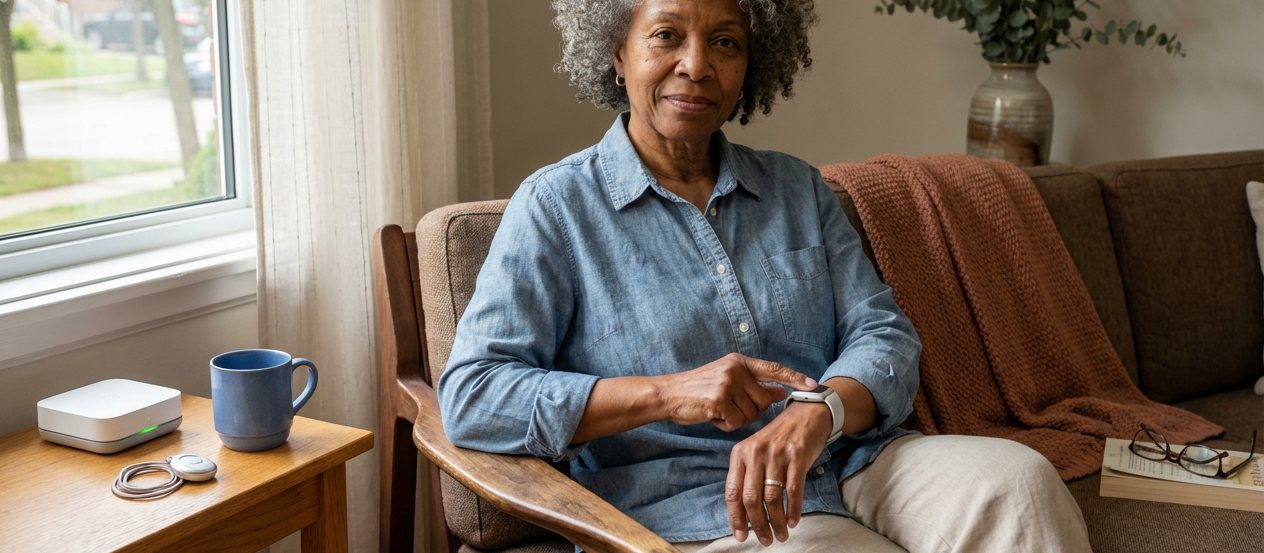
At its core, a medical alert system is a dedicated lifeline. The standard setup involves a base unit or a mobile device and a wearable button. When pressed, it bypasses the need to find a phone and dial numbers. It instantly opens a two-way voice channel with a trained operator.
In Canada, where 911 dispatch centres can be overwhelmed, having a private monitoring centre filter and direct your call ensures that paramedics, police, or fire services are dispatched immediately with your specific medical data on hand.
The Holo Alert Difference
We don't just connect a call. Our operators stay on the line with you until help arrives on the scene. Whether it's a false alarm or a critical emergency, you are never alone in the dark.
The Critical Choice: Monitored vs. Unmonitored
This is where many families make a dangerous mistake to save a few dollars. The most significant distinction in safety technology is who answers the call.
Professional Monitoring (The Holo Standard)
Professional monitoring is the only way to guarantee a response. When you trigger an alarm, the signal goes to a certified Canadian response centre. These operators see your profile immediately: your medical history, lockbox codes to let paramedics in, and emergency contacts. If you cannot speak, they send help to your location automatically.
Unmonitored Systems (The "No Fee" Trap)
Unmonitored devices do not connect to a response centre. They dial a pre-programmed list of family members. If your daughter is in a meeting or your son is driving, the call goes to voicemail. By the time the device cycles through to 911, precious minutes have been lost.
Looking for guaranteed protection? Don't rely on voicemail. Shop the Holo Alert Pro monitored system.
Common Equipment and Device Types
Technology has moved beyond the "I've fallen and I can't get up" commercials of the 90s. You need hardware that matches your activity level.
In-Home Landline vs. Cellular Systems
Traditional systems plug into a phone jack. They work, but they tether you to the home. If you are in the garden or the driveway, the range (usually 400–1,000 feet) might drop. Furthermore, as Canadian telecom providers phase out copper lines, landline reliability is decreasing.
The Holo Alert Solution
We prioritize cellular connectivity. Our In-Home and Mobile systems use the 4G LTE network (the same as your smartphone) to ensure a strong signal without requiring a landline or a separate cell phone contract.
Mobile GPS Systems
For the active senior, a home-bound system is a leash. Mobile GPS systems function anywhere there is cellular coverage. If you slip on the sidewalk or feel faint at the grocery store, the monitoring centre uses GPS and Wi-Fi triangulation to pinpoint your exact location.
Why You Need Automatic Fall Detection
Falls are the leading cause of injury-related hospitalizations among Canadian seniors. But the scary reality is that many falls result in unconsciousness or disorientation, rendering a standard push-button useless.
Fall detection technology uses accelerometers to detect the distinct G-force of a fall. If the device senses a hard impact followed by a lack of movement, it calls for help automatically.
The Holo Alert Difference
While no sensor is 100% perfect, Holo Alert utilizes advanced algorithms to distinguish between a dropped device and a human fall, minimizing false alarms while ensuring help is summoned when you can't ask for it yourself.
The Truth About Costs and Contracts
Price is a factor, but value is vital. Generally, basic in-home systems range from $30 to $40 per month, while mobile GPS units range from $45 to $60 per month. But the real question isn't just "how much?"—it's "what am I actually getting?"
Some companies offer low monthly rates but charge hidden fees for activation, equipment, or monitoring upgrades. Others skimp on response times or customer support to keep costs down.
Holo Alert's Promise
We believe in transparent, straightforward pricing. No hidden fees, no surprises on your bill. Our pricing reflects the full value of 24/7 professional monitoring, GPS protection, and real Canadian support—because peace of mind shouldn't come with fine print.
Secure your independence without signing your life away. Get started with Holo Alert today.
System Comparison: Finding Your Fit
Not sure which hardware fits your lifestyle? Use this comparison to decide.
| Feature | Traditional Landline Systems | Holo Alert Cellular Systems |
|---|---|---|
| Connection | Requires phone jack | Uses 4G LTE cellular—no landline required |
| Protection Zone | In-home systems only work inside your house | Protects you anywhere in Canada |
| Fall Detection | Many charge extra for this feature | Includes advanced auto-detection built in |
| Installation | Requires plug-in setup | Ready the moment you open the box |
Key Features You Cannot Ignore
Battery Life and Power Outages
Canadian winters bring ice storms and power outages. Your safety system must outlast the blackout. In-home bases should have a 24-hour backup battery. Mobile units need a simple charging routine.
Holo Alert devices are designed with extended battery life and easy-to-use charging cradles, so you don't need to fiddle with tiny cords.
Water Resistance is Non-Negotiable
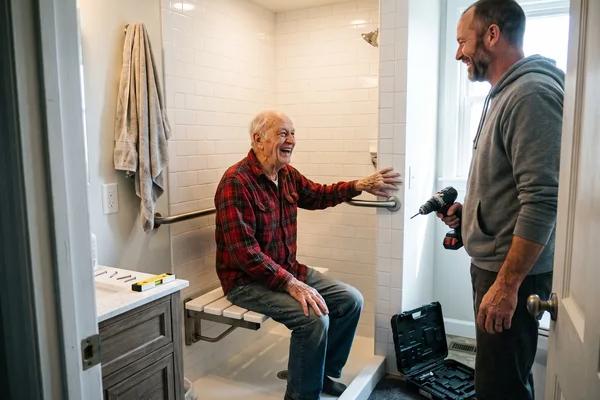
The bathroom is the most dangerous room in your home. A medical alert button sitting on the vanity counter is useless if you slip in the tub. Your device must be fully water-resistant.
All Holo Alert buttons are designed to be worn in the shower, ensuring protection where you need it most.
Frequently Asked Questions
Does a medical alert system replace calling 911?
It improves it. When you press the button, our operators access your profile and call emergency services on your behalf. We provide the dispatcher with critical medical data and your exact location, often resulting in a faster, more informed response than a standard 911 call.
What happens if I press the button by accident?
Don't panic. False alarms happen. Simply wait for the operator to speak and tell them you are okay. We actually encourage you to test your button monthly to ensure you are comfortable with how it works.
Is Holo Alert covered by provincial health plans?
Typically, provincial plans (OHIP, MSP, etc.) do not cover these systems directly. However, many private insurance plans do, and the cost can often be claimed as a medical expense on your taxes.
Don't Gamble With Your Safety
Waiting until after a fall to get a medical alert system is a gamble you cannot afford to take. The goal is to age in place with dignity, not fear. Holo Alert provides the professional, Canadian-based protection you need to live life on your terms.
Whether you are gardening, shopping, or simply relaxing at home, ensure that help is always just one button press away.