A Silver Alert is a public appeal police send out when an adult living with dementia or another cognitive impairment goes missing and may be in danger. As of October 26, 2026, official Silver Alerts are in use in Manitoba and Quebec. In both provinces, the police decide whether one goes out.
That means the most important step belongs to you, not the alert. If your parent goes missing, call 911 right away. There is no 24-hour waiting period anywhere in Canada.
Silver Alerts have been in the news this month. On October 23, Winnipeg police issued one for a man who was found later that day. Earlier that week, a SILVER alert in Montreal ended with two people found. Below: what a Silver Alert is, a first-hour checklist, where each province stands, and what you can set up now so you are ready.
What is a Silver Alert in Canada?
A Silver Alert is a message police send to the public, through the media and other channels, soon after an adult with dementia or another cognitive impairment goes missing and their safety is feared for. Manitoba has had a Silver Alert law since June 2017. Quebec made its Alerte SILVER province-wide on February 20, 2026.
The name borrows from the AMBER Alert, but the two are different. An AMBER Alert is for an abducted child: the RCMP's criteria require the person to be under 18. A Silver Alert is for an adult who is lost, not taken.
Here is how each province defines it, in its own words:
- Manitoba. The Missing Persons Act describes a Silver Alert as a message sent to the public "through the media and other means" after "a vulnerable person or another adult with a cognitive impairment goes missing," to help bring them home safely.
- Quebec. The Government of Quebec calls the Alerte SILVER "une alerte médiatique," a media alert. It is for a missing person living with a major neurocognitive disorder, such as Alzheimer's disease, whose health or safety is in danger. SILVER is a French acronym for a system to locate vulnerable people who are lost and being searched for.
The alerts are not rare. Police in Winnipeg, rural Manitoba, Montreal and Laval have all issued them since late September. For the bigger picture, our look at the rise in missing seniors across Canada covers why so many families now plan for this.
What to do in the first hour if your parent goes missing
Take a quick look through the home and yard, then call 911 right away and say your parent is living with dementia. Give police a recent photo, a description, and the places your parent might go. Keep one person at home in case your parent comes back. These steps come from the Alzheimer Society of Canada and the Alzheimer Society of B.C.
The Alzheimer Society of B.C. puts it plainly: when a person living with dementia goes missing, it is an emergency, and the most important thing is not to delay. Here is the order its caregiver guide suggests, in short.
- Take a quick look through the home. Check every room, the basement, the yard, the garage and any sheds. In an apartment, check the hallways and common areas, and tell the building manager.
- Call 911. Do not wait. Say right away that your parent lives with dementia. The RCMP says you do not need to wait 24 or 48 hours to report someone missing.
- Tell police what your parent is wearing or carrying. Mention any ID bracelet, card or locating device.
- Share the details police will ask for. A recent head-and-shoulders photo, height, hair and eye colour, glasses or hearing aids, medical conditions and medications.
- Name the places your parent might head for. A former home, a past workplace, a favourite store, or a bus route they used to take.
- Mention the car or the bus. If keys or the car are gone, give police the make, model, colour and licence plate. If a bus pass is missing, say so.
- Keep someone at home. Your parent may come back on their own.
- Tell neighbours and friends. More eyes on the street help.
One caution from the same guide: if you live in a rural area, or it is late at night, do not search on your own. The RCMP also says it is best to talk to police before you organize your own search.
If a parent living with dementia goes missing, call 911 right away. In Canada, there is no 24-hour waiting period.
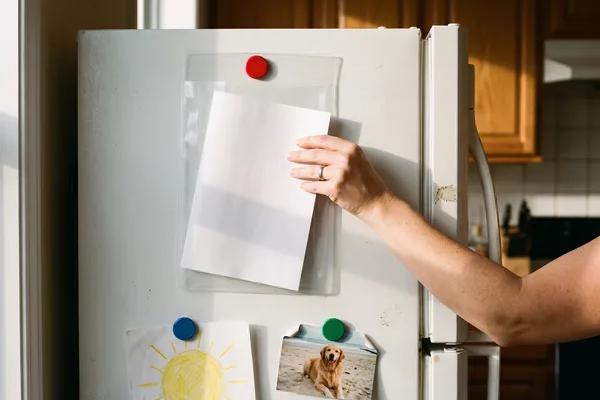
Print this list and keep it by the door with a recent photo of your parent. In a stressful hour, a list beats memory.
Which provinces have a Silver Alert?
As of October 26, 2026, Manitoba and Quebec are the only provinces where we found an official Silver Alert in use. Alberta passed a Silver Alert law that is not in force as of October 2026. Ontario and British Columbia have none. A federal bill for a national framework is still in committee.
| Where | Official Silver Alert? | Who sends it | How it reaches the public |
|---|---|---|---|
| Manitoba | Yes, by law since June 2017 | Any police service, including Winnipeg police and Manitoba RCMP | News releases shared with the media |
| Quebec | Yes, province-wide since February 20, 2026 (Alerte SILVER) | The local police force, at its discretion | Police websites, social media, TV, radio and newspapers. Not sent to cell phones. |
| Alberta | Law passed in 2017 and updated in 2023, for people 55 and up. Not in force as of October 2026 | Would be police services | Would be targeted to the area where the person went missing |
| Ontario | No | n/a | n/a |
| British Columbia | No government program. BC Silver Alert is a citizen-led non-profit | n/a | n/a |
| Saskatchewan, Atlantic provinces, territories | None found | n/a | n/a |
| Canada-wide | No. Bill C-263 would create a national framework; it is in committee | n/a | n/a |
Sources: Manitoba's Missing Persons Act; Québec.ca; Legislative Assembly of Alberta and Alberta King's Printer; Legislative Assembly of Ontario; bcsilveralert.ca; Parliament of Canada (LEGISinfo). All checked October 26, 2026.
A few notes on the rows that need more than a table cell.
Alberta. The legislature passed Silver Alert amendments in 2017, then rewrote them in 2023 to cover missing people age 55 and up. Those amendments take effect only when the government proclaims them, and as of October 2026 it has not. Alberta's official list of proclamations shows no entry for them, and the Missing Persons Act published by Alberta's King's Printer does not include them.
Ontario. There is no Silver Alert law. A private member's bill to create vulnerable person alerts, Bill 74, went to committee in 2023 and did not pass. Some local police services keep their own vulnerable person registries. Toronto's closes on November 3, 2026, and our guide to what Toronto families can set up instead of the registry explains the options.
British Columbia. If you search for a B.C. Silver Alert, you may land on BC Silver Alert. It describes itself as a citizen-led non-profit, not a police or government service.
Everywhere else. We found no official Silver Alert program in Saskatchewan, the Atlantic provinces or the territories. That changes nothing about the first step: call 911.
Who decides whether a Silver Alert goes out?
The police decide, not the family. In Manitoba, a police service may activate a Silver Alert when it decides the legal criteria are met. In Quebec, the alert goes out at the police force's discretion. Your part is the 911 call and the details that help police decide quickly.
Manitoba's law lists four conditions. The police must find that:
- the person is missing;
- the person is a vulnerable person under Manitoba law, or another adult with a cognitive impairment;
- there is fear for the person's safety because of that impairment; and
- sharing information with the public could help bring the person home safely.
Manitoba's law sets no minimum age.
Quebec's program page lists four criteria too, and all four must be met:
- The person has a diagnosed major neurocognitive disorder, such as Alzheimer's disease. A person age 65 and up can also qualify if family or a caregiver confirms the symptoms.
- There is an immediate risk to the person's life or safety, because of their condition, the circumstances, or extreme weather.
- Police have searched without success and believe a media alert is the best way to get the public's help.
- Police have enough information about the person and the disappearance, such as the last place seen and any vehicle, to share.
A Silver Alert is the police's decision, not the family's. Your part is the 911 call and the details that help them decide.
So the details you give in that first call matter. Say the word "dementia" early. Have the photo ready. Name the places your parent might go. The Quebec government suggests preparing an information sheet ahead of time for exactly this reason: it speeds up the search.
Will a Silver Alert come to your phone?
Not in Quebec: the province says its Alerte SILVER is not sent to cell phones or through its emergency alert system, Québec En Alerte. In Manitoba, police put Silver Alerts out as news releases shared with the media. To see them, follow your local police service online.
Quebec describes the Alerte SILVER as non-intrusive. It appears on police websites and social media, and on TV, radio and in newspapers. It is not pushed to cell phones through Québec En Alerte.
In Manitoba, Winnipeg police and Manitoba RCMP post Silver Alerts as news releases that the media then share. Manitoba's law also allows "other means," but we found no official page saying its Silver Alerts are pushed to phones. Your local police service's website and social media pages are the place to watch.
Alberta's version, if it is ever proclaimed, would target the area where the person went missing. The federal bill, C-263, would set up a national framework, but it has not passed.
What can you set up before anyone goes missing?
Start with an identification kit: a recent photo, a description, medical details, and the places your parent might go. Then add an ID your parent wears or carries. A door alarm or a locating device can help too, but the Alzheimer Society of Canada says no device or system can guarantee a person will not get lost or will be found.
The Alzheimer Society of Canada starts from a point worth keeping: people living with dementia have the right to move about as freely and independently as possible. The goal is a plan your parent can live with, ideally one they help choose.
Here is what to put together, from the Alzheimer Society of B.C.'s identification kit:
- A recent photo. Head and shoulders, clear, replaced as your parent's appearance changes.
- A description. Height, weight, eye and hair colour, glasses, hearing aids, dentures, scars or tattoos, languages spoken.
- Medical details. Conditions, allergies, medications and the family doctor's number.
- Places they might go. Favourite spots, past workplaces, former homes, bus routes.
- Vehicle details, if your parent still drives: make, model, colour and licence plate.
- An emergency contact. Their name, how they are related, and their phone numbers.
- What they wear or carry. Any ID bracelet or card, and any locating device, with a note on what it looks like.
Keep one copy by the door and a photo of each page on the phones of everyone who might make the call.
The Alzheimer Society of Canada suggests using several strategies at once. An ID card tells others the person lives with dementia. A door alarm lets a caregiver know when someone leaves. A tracking device, if you use one, should be chosen to fit the person. Its cautions are worth reading before you buy anything. A device only works if your parent wears or carries it. Some devices need a caregiver to receive an alert and start the search. Readings can be wrong, and a device may not work well indoors or in rural areas.
A medical alert with location services is one more option to weigh. Every current Holo Alert device has location services that can help the monitoring team determine the wearer's location during an alert. Holo Pro can also add a paid Caregiver App that shows family the last location the device reported. It is not live tracking, and a location is not always exact. Our guide to GPS tracking for seniors with dementia compares the main kinds of devices. Our comparison of GPS and home medical alert systems covers which suits a parent who goes out on their own.
Whatever you choose, the first step if your parent goes missing does not change. Call 911.
Frequently asked questions
Is there a national Silver Alert in Canada?
No. As of October 26, 2026, there is no national Silver Alert. A federal private member's bill, C-263, the Silver Alert National Framework Act, passed second reading on June 5, 2026 and is in committee in the House of Commons. For now, Silver Alerts depend on the province: Manitoba and Quebec use them.
Do you have to wait 24 hours to report a missing person in Canada?
No. The RCMP says you do not need to wait 24 or 48 hours to report someone missing, and calls the waiting period a misconception. Winnipeg police say the same. For a person living with dementia, the Alzheimer Society of Canada says to call 911 immediately and tell the call-taker about the dementia.
Can a family ask police for a Silver Alert?
You can report your parent missing and share every detail that shows the risk, but the decision is the police's. In Manitoba, a police service may activate one when the legal criteria are met. In Quebec, it is at the police force's discretion. Clear details, a photo and the word "dementia" help them decide.
What is the difference between an AMBER Alert and a Silver Alert?
An AMBER Alert is for an abducted child. The RCMP's criteria require the person to be under 18. A Silver Alert is for an adult with dementia or another cognitive impairment who is missing and may be in danger. Only Manitoba and Quebec use Silver Alerts today, and the police decide when to send one.
What if my parent tends to leave the house at night?
The Alzheimer Society of B.C. notes that walking away can often happen at night. Keep the identification kit and the 911 plan ready for any hour, and never search alone in the dark. Our explainer on why dementia can get worse in the evening covers what helps late in the day.
Your next step this week
Pick one evening and build the identification kit, with your parent involved as much as they can be. Take a fresh photo while you are at it, and print the first-hour list above. Put both by the door.
If you live in Manitoba or Quebec, follow your local police service online so you see Silver Alerts in your area. Wherever you live in Canada, the plan starts the same way: if your parent goes missing, call 911.