Why Men Reject Standard "Help Buttons"
The reluctance to adopt a medical alert isn't usually about the cost; it's about the image. For decades, the industry standard was a bulky, clinical pendant. For a man who has spent his life being the provider and protector, wearing such a device feels like a surrender.
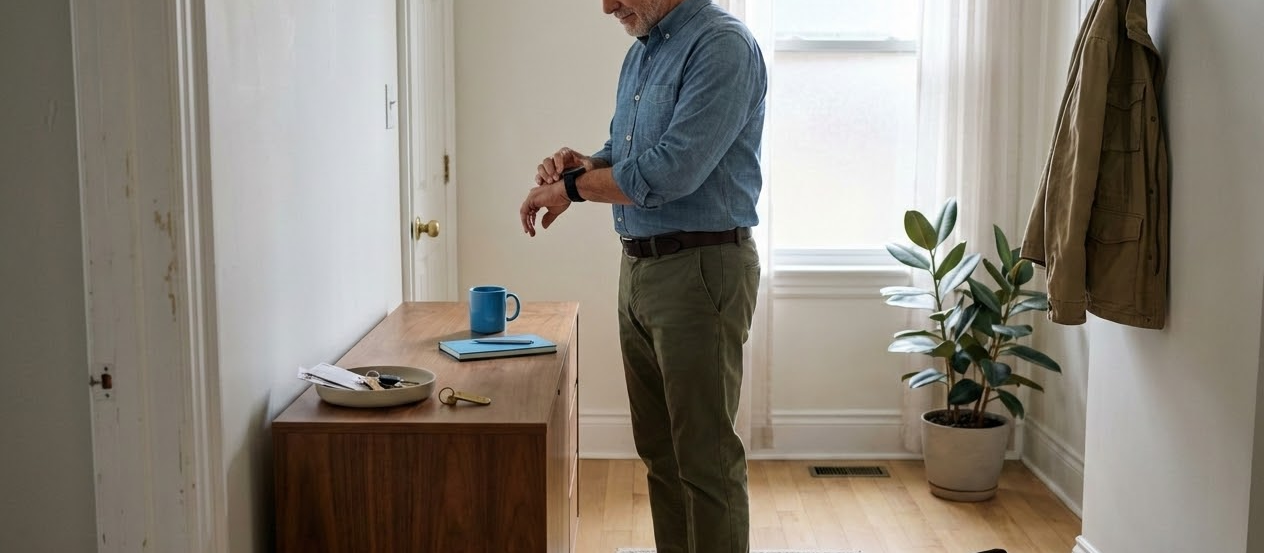
If the device sits on the nightstand because he is too embarrassed to wear it to the coffee shop, it is a waste of money and a massive safety gap. The Holo Alert Difference: We designed our hardware to be invisible to the outside world. Our devices are compact, matte-finished, and can be worn discreetly on a belt or inside a shirt.
We treat the device as a piece of high-tech safety gear, similar to a seatbelt or a helmet, ensuring he feels protected rather than labeled.
Key Takeaways
- Dignity Over Stigma: Men reject "medical" aesthetics. They prefer discreet devices that clip to belts or look like tech accessories.
- Rugged Durability: Devices must withstand impact, dust, and Canadian weather—essential for men active in garages or outdoors.
- GPS is Non-Negotiable: A landline system is useless if he falls in the yard or at the grocery store. Mobile coverage is mandatory.
- Smart Fall Detection: Automatic triggers are vital for incidents involving unconsciousness, but they must be calibrated to avoid false alarms from daily activity.
- Canadian Reliability: Ensure the monitoring centre is local and understands 911 dispatch protocols across different Provinces.
Essential Features for the Canadian Male Lifestyle
When selecting a system, ignore the marketing fluff and look for the specs that actually matter in a Canadian context. A device used in Florida has different requirements than one used during a Winnipeg winter.
1. Automatic Fall Detection
Fall detection is the most critical feature for aging men. Statistics show that falls are the leading cause of injury-related hospitalizations for Canadian seniors. A robust system uses accelerometers to detect the specific G-force signature of a fall.
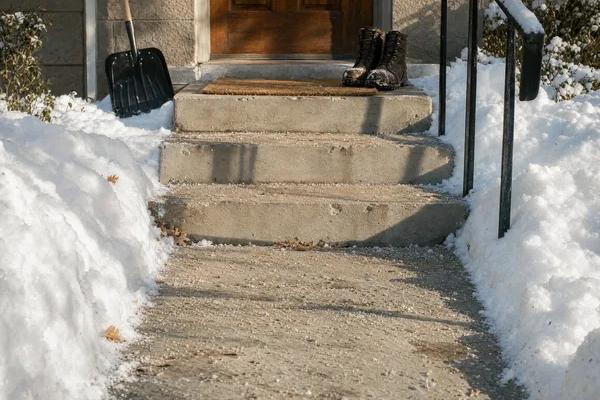
If he slips on an icy patch and is knocked unconscious, the device must call for help automatically. The Holo Alert Difference: Our algorithms are tuned to distinguish between a hard fall and everyday movements like sitting down heavily or hammering a nail, significantly reducing the annoyance of false alarms while maintaining high sensitivity for real emergencies.
Secure his safety with advanced fall detection. Shop Holo Alert now.
2. Water and Impact Resistance
If your father spends time fishing, woodworking, or simply showering, the device must be waterproof. Many generic systems claim "water resistance" but fail under direct pressure. A true safety device must be submersible.
3. Nationwide Mobile GPS Coverage
An "at-home" landline system tethers a man to his living room. If he drives, takes the bus, or walks the dog, he needs a mobile medical alert system. These devices utilize cellular networks to provide coverage anywhere there is a cell signal, from British Columbia to Newfoundland.
Comparison: Holo Alert vs. Generic Landline Systems
Many families default to cheaper landline systems, mistakenly thinking they are "good enough." This table highlights why that is often a dangerous calculation for an active man.
| Feature | Holo Alert Mobile | Generic Landline System |
|---|---|---|
| Range of Protection | ✅ Canada-Wide (GPS) | ❌ Home & Yard Only (600ft) |
| Connection Type | ✅ Built-in Cellular | ⚠️ Requires Landline Jack |
| Fall Detection | ✅ Advanced Algorithm | ❌ Often an Extra Fee or Unavailable |
| Waterproofing | ✅ Shower & Rain Safe | ⚠️ Splash Resistant Only |
| Aesthetics | ✅ Discreet / Tech-Forward | ❌ Clinical White Button |
Cost, Plans, and the Value of Independence
In Canada, the cost of a comprehensive safety system typically ranges between $45 and $60 per month. While cheaper options exist (around $25), they usually lack GPS and automatic fall detection—two features that are non-negotiable for men who leave the house.
Be wary of hidden activation fees or long-term contracts. Some providers lock seniors into 3-year agreements. At Holo Alert, we believe you should stay because the service is excellent, not because you signed a contract.
Our pricing is transparent, and we prioritize flexibility because we understand that health needs change. Looking for peace of mind without the long-term contract? View the Holo Alert pricing plans.
How to Choose the Right System (A Checklist)
Before making a purchase, run through this checklist to ensure the device matches his reality, not just his best days.
- Assess Actual Activity: Does he drive? Does he walk alone? If yes, a GPS system is mandatory.
- Check Dexterity: Can he manage a small charging cradle? Holo Alert devices have simple magnetic charging to aid those with arthritis.
- Verify Coverage: Ensure the device operates on a major Canadian cellular network (like the networks Holo Alert utilizes) to guarantee signal strength in his area.
- Demand a Trial: Never buy without a trial period. You need to verify that he will actually wear it. Holo Alert offers a risk-free period to ensure the device fits his life.
Frequently Asked Questions
What is the best discreet medical alert for men?
The best device is one that doesn't look like a medical alarm. Small, mobile GPS units that clip to a belt or fit in a pocket, like the Holo Alert Mobile, offer the highest level of discretion while maintaining full safety functionality.
Do these systems work if my father is driving?
Yes, provided you choose a mobile system with GPS. These devices work anywhere there is cellular coverage. If a crash or medical event occurs while driving, the GPS allows operators to send emergency services to his exact location.
Is fall detection worth the extra cost?
Absolutely. For seniors, a fall often results in confusion or unconsciousness, rendering a manual button useless. Automatic fall detection is a critical safety net that ensures help arrives even if he cannot speak.
Can he wear the device in the shower?
Yes, but you must verify the IP rating. Holo Alert devices are fully water-resistant, designed specifically to be worn in the shower where slip risks are highest.
Secure His Peace of Mind Today
Waiting for a "sign" that your father or husband needs a medical alert usually means waiting for an accident to happen. By then, the damage is done. The goal is prevention and rapid response.
Holo Alert provides the rugged, reliable, and discreet technology that Canadian men need to stay safe without feeling managed. Do not gamble with his safety. Equip him with a tool that keeps him independent, active, and protected against the unexpected.