A power outage in January isn't just an inconvenience; for a Canadian senior living alone, it is a survival scenario. When the heating fails, the lights go out, and the phone lines go dead, the "wait and see" approach becomes dangerous.
Most generic safety guides tell you to buy a flashlight and some batteries. That is not enough. Effective emergency preparedness for seniors at home demands a tactical approach that accounts for limited mobility, medication dependency, and the reality of isolation.
You need to prepare not just for the storm outside, but for the risks inside your own walls when the normal safety nets fail.
Key Takeaways
- Vulnerability is Higher: Seniors face elevated risks during disasters due to mobility issues and medication needs; a generic family plan will not work.
- The Two-Tier System: You need two distinct kits: a two-week supply for sheltering in place and a "grab-and-go" bag for immediate evacuation.
- Home Hardening: Fall risks increase exponentially in the dark. A functional home assessment is critical to prevent injury during power outages.
- The Communication Lifeline: Standard landlines often fail during disasters. A cellular-backed medical alert system acts as your primary link to emergency services.
- Seasonal Adaptation: Plans must be reviewed annually to account for Canadian specific risks like ice storms and extreme cold.
Understand the Risks: Why Standard Prep Fails Seniors
Effective preparation begins by admitting where the dangers lie. During an emergency, seniors are disproportionately vulnerable. Reduced vision makes navigating a dark home a fall hazard. Hearing loss makes missing municipal sirens a real possibility. Limited mobility turns a simple evacuation into a logistical nightmare.
In Canada, the external environment is often the enemy. We aren't just dealing with rain; we are dealing with severe winter storms, ice that snaps power lines for days, and extreme cold that turns a home into a freezer.
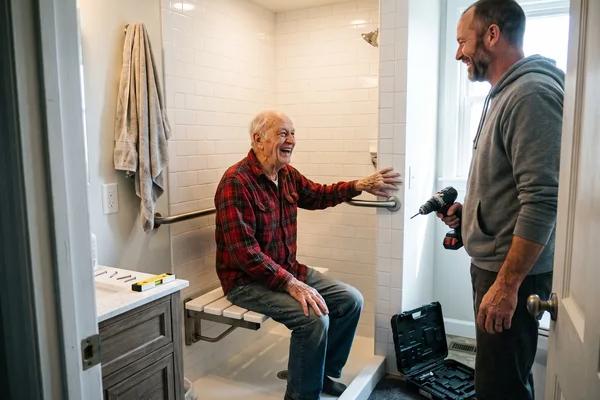
The Government of Canada's Emergency Preparedness Guide highlights these threats, but it often glosses over the internal reality: 29% of senior accidents occur in the bathroom. Combine a bathroom trip with a power outage, and you have a recipe for a life-altering injury.
While a flashlight helps you see, it doesn't help you up if you fall. During a blackout, you cannot rely on reaching a wall-mounted phone. Holo Alert provides 24/7 monitoring with a built-in battery backup. If you slip in the dark, our automatic fall detection triggers a call for help instantly—even if you are unconscious.
Don't risk being cut off from help during the next storm. Secure your Holo Alert Pro today.
Assess the Home: Hardening Your Environment
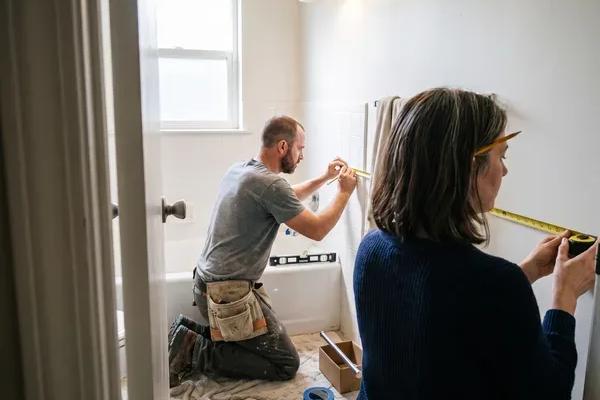
Safety planning requires looking at your home through the lens of a crisis. A room-by-room hazard assessment isn't about interior design; it's about survival. You must clear pathways for rapid exit and ensure essential items are accessible without power.
You must also perform a functional capability assessment. If you rely on a walker, how do you move it over debris? If you have cognitive decline, complex exit plans will fail under stress. Customization is essential.
A generic checklist is a starting point, but your specific physical needs dictate your survival strategy.
| Hazard Area | The Hidden Risk | The Necessary Fix |
|---|---|---|
| Bathrooms | ⚠️ High fall risk on wet surfaces in the dark. | ✅ Install grab bars and keep a waterproof Holo Alert pendant on at all times (even in the shower). |
| Living Rooms | ⚠️ Cluttered pathways become obstacle courses. | ✅ Remove throw rugs and secure clear 3-foot wide pathways for walkers/EMTs. |
| Kitchens | ⚠️ Fire risk from candles or gas stoves during outages. | ✅ Use battery lanterns only (no candles) and secure heavy items that could fall. |
| Bedrooms | ⚠️ Disorientation waking up in total darkness. | ✅ Keep a flashlight velcroed to the nightstand and slippers with non-skid soles ready. |
The Government of Canada's Safe Living Guide provides standards for smoke detectors, but that is the bare minimum. You need to ensure your personal emergency response system is integrated into this plan. A smoke detector screams there is a fire; Holo Alert connects you to the dispatchers who can send the fire department.
Build the Kit: Survival vs. Evacuation
One kit is not enough. You need a two-tier approach: a fortress supply for staying put, and a tactical bag for getting out.
The "Shelter in Place" Fortress (2 Weeks)
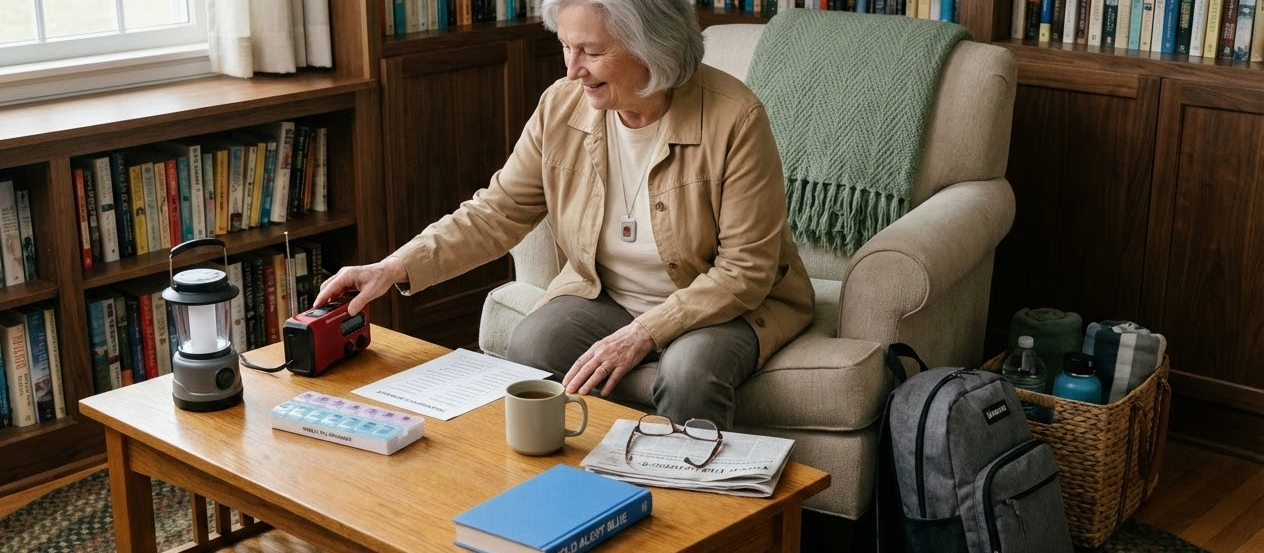
For staying home, the Red Cross suggests two weeks of supplies. In a Canadian winter, road crews may not reach you for days. You need non-perishable food, water (4 litres per person per day), and warmth.
The "Go-Bag" (3 Days)
For evacuation, you need a lightweight kit. This isn't just about clothes; it's about medical continuity. If you leave your home, you leave your pharmacy. Your Go-Bag must contain a detailed medication list, dosages, allergy info, and actual supply of pills.
The Medication Reality
Managing meds during a crisis is the cornerstone of survival. If you rely on electrical medical devices (CPAP, Oxygen), you must have a battery backup plan. Holo Alert devices come with extended battery life to ensure you remain connected even when the grid goes down.
| Category | Essential Contents |
|---|---|
| Medications | ✅ 2+ weeks supply, allergy list, prescription copies, and medical alert details. |
| Mobility | ✅ Canes/walkers, spare glasses, hearing aid batteries. |
| Power | ✅ Solar chargers for phones, spare batteries for flashlights. |
| Documents | ✅ Insurance papers, ID, and emergency contact list (hard copies). |
Is your safety plan complete? Add the ultimate layer of protection with Holo Alert.
Communication: Your Lifeline When Tech Fails
Communication breakdowns are the norm during disasters. Cell towers get overloaded, and cordless landlines are useless without electricity. A robust plan ensures responders know who you are and what you need before they even arrive.
Your emergency contact list must be physical. Do not rely on a contact list stored inside a dead smartphone. Tape copies next to your bed and inside your Go-Bag. This list should include family, doctors, and a neighbour who has a key.
When you press your Holo Alert button, your profile immediately flashes on the operator's screen. They see your medical history, your lockbox code to let paramedics in, and your emergency contacts. You don't need to speak to explain who you are—we already know.
Evacuation and Community Coordination
Evacuation is physically demanding. You cannot assume a standard shelter can handle a heavy electric wheelchair or provide specialized care. You must pre-identify community shelters that are accessible.
If you are prone to confusion or have a partner with dementia, evacuation is a high-risk scenario for wandering. The chaos of an emergency scene can lead to separation. In these moments, GPS technology is vital. Holo Alert Mobile devices feature GPS tracking, allowing family members or emergency services to pinpoint your location instantly if you become displaced or lost during an evacuation.
Leverage Canadian Resources
Many provinces maintain registries for vulnerable persons. Register with your local municipal emergency management office. This often puts you on a priority list for wellness checks during ice storms or heat waves.
Frequently Asked Questions
What are the absolute essentials for a senior's emergency kit?
Beyond food and water, the non-negotiables are a two-week supply of medication, copies of prescriptions, spare eyeglasses/hearing aid batteries, and a charged medical alert device. Do not forget hard copies of legal and insurance documents, as digital access may be down.
How do I prepare for a power outage with medical equipment?
If you use oxygen or a CPAP, you must notify your local utility company to be placed on a priority list. However, you cannot rely on them solely. You must invest in a dedicated Uninterruptible Power Supply (UPS) or battery backup specifically for your medical hardware. Test these backups quarterly.
Why is a medical alert system better than a cell phone in an emergency?
Cell phones require you to unlock them, dial, and speak. In a fall or heart event, you may be unable to do any of those things. A medical alert requires a single button press (or no press at all with fall detection), has a battery life measured in days not hours, and is wearable 24/7, including in the shower.
Your Safety Can't Wait for the Next Storm
Taking the time to prepare for emergencies offers more than just safety; it provides the confidence to live independently. You cannot predict when the power will go out or when the ice will hit, but you can control how you respond.
By assessing your home, building a specialized kit, and ensuring you have a reliable link to the outside world, you move from a position of vulnerability to one of strength. Do not leave your safety to chance.
A flashlight is helpful, but a 24/7 connection to emergency services is lifesaving. Equip yourself with the tool that speaks for you when you can't. Shop Holo Alert products now and secure your peace of mind.