Caring for a family member with Alzheimer's disease or another form of dementia is a profound act of love, but it also presents a unique set of challenges that change daily. As memory fades and cognitive abilities decline, the role of a caregiver evolves from a supportive companion to a crucial navigator of daily life.
Understanding how to adapt your environment, communication style, and routine is vital for maintaining the quality of life for both you and the person in your care. For many Canadians supporting aging parents or partners, finding reliable strategies can reduce anxiety and create a more peaceful home environment.
While every individual's progression is different, there are proven methods to manage difficult behaviours and ensure safety. By implementing these essential tips for dementia caregivers, you can navigate this journey with greater confidence, compassion, and resilience.
Key Takeaways
- Effective communication requires patience, short sentences, and allowing extra time for the person to process information.
- Consistent daily routines and familiar environments significantly reduce confusion and anxiety.
- Safety modifications, such as installing door locks above or below eye level, help prevent wandering and accidents.
- Caregiver burnout is a serious risk; building a support network and scheduling respite is as important as caring for your loved one.
- Early planning with health professionals ensures smoother transitions as care needs progress.
Essential Tips for Dementia Caregivers: Quick Checklist
When you are in the thick of daily caregiving, it can be difficult to remember every strategy. This checklist provides a high-level overview of the most critical areas to focus on immediately. These foundational steps help stabilize the home environment and improve interactions.
Communication
- Always use short, clear sentences.
- Allow the person triple the amount of time you think they need to comprehend what you said.
- If you must repeat yourself, use the exact same words rather than rephrasing, which can cause more confusion.
- Avoid reasoning or arguing, as logic may no longer be accessible to them.
Routines
- Structure reduces stress.
- Maintain consistent schedules for waking, meals, toileting, and bedtime.
- Keep essential household objects in the same familiar places so the person does not have to search or feel lost in their own home.
Safety
- Prevention is key.
- Install locks either high up or low down on doors, as people with dementia often only look at eye level.
- Keep dangerous items like cleaning supplies or medications locked away or out of reach.
- Never leave the person unattended during bathing.
Medications
- Establish a robust tracking system.
- Communicate regularly with doctors about how medications are affecting the person, specifically watching for side effects or changes in efficacy.
Self-care
- You cannot pour from an empty cup.
- Schedule regular breaks and recognize the symptoms of burnout, such as sleeplessness, mood swings, depression, or reduced concentration.
Communicating Compassionately with Someone Who Has Memory Loss
Communication is often the first casualty of dementia. As language skills diminish, the person you care for may struggle to find words or understand complex ideas. However, the need for connection remains. Adjusting your approach can prevent frustration and help your loved one feel understood and safe.
The first step is always to secure their attention before speaking. Reduce background distractions like television or radio. Address the person by name, identify yourself by your relationship to them, and use non-verbal cues or gentle touch to signal that you are engaging with them.
Once you have their attention, listen for the underlying feelings rather than just the literal words. Often, a confused statement is actually an expression of fear, sadness, or a physical need. Responding to the emotion—"You sound worried"—is more effective than correcting the fact.
When giving instructions, use one-sentence explanations. Because processing speed slows down significantly, practice the "triple time" rule: wait three times longer than normal for a response. If they still do not understand, repeat the instruction exactly as you said it the first time. Changing the wording forces their brain to start the decoding process all over again.
Perhaps the hardest but most important rule is to avoid confrontation. Do not remind the person that they forgot something, question their recent memory, or point out contradictions. If they say something factually incorrect, accept the blame or agree with them to keep the peace. This is often called "joining their reality."
Maintain a cheerful, reassuring tone, and practice "100% forgiveness." Remember that the disease causes these behaviours, not the person.
Daily Routines and Environmental Adjustments to Reduce Confusion
Confusion is a primary source of anxiety for individuals with dementia. A predictable environment and a steady routine act as anchors, providing a sense of security even when memory fails.
Establishing Structure
Maintain a rigid consistency with daily events. Meals, toileting, and recreational activities should happen around the same time each day. When activities are predictable, the person feels safer.
If a task seems overwhelming, break it down into manageable steps. For example, rather than saying "get dressed," hand them one item of clothing at a time. Visual cues are also incredibly helpful; placing a sign on the table that says "Dinner is at 6:30" can stop repetitive questioning and reduce anxiety about what is happening next.
Environmental Design
Your home environment plays a massive role in behaviour. Keep furniture and familiar objects in the same places; rearranging a room can be deeply disorienting. Photographs and cherished items should be visible to suggest pleasant memories and provide comfort.
Sensory overload can trigger agitation, so try to reduce clutter, noise, and the number of people in a room at one time. At the same time, pay attention to nutrition and hydration. Dehydration can worsen cognitive function, so schedule fluid intake throughout the day.
However, limit diuretic beverages like coffee, tea, or cola, and restrict fluids in the evening to prevent bathroom urgency at night. To keep energy levels stable, offer five to six smaller meals rather than three large ones, and reduce sugar and caffeine intake.
Managing Common Behavioral Challenges and Triggers
As dementia progresses, you may encounter behaviours that are difficult to manage, such as agitation, repetition, or wandering. Understanding that these are forms of communication helps in finding the right response.
Agitation and De-escalation
When a person becomes upset or aggressive, it is often because they feel out of control or unheard. Connect on a feeling level first. Acknowledge their upset before trying to change the subject.
Distraction is a powerful tool; changing the environment, such as suggesting a walk or asking for help with a simple task, can reset their mood. Use gentle touch, soothing music, or reading to de-escalate the situation. Speak in a low, reassuring voice and avoid physical restraint, which usually increases agitation.
Repetitive Behaviours
Repetitive questions or actions can be exhausting for caregivers. The best approach is to ignore the repetition itself and address the underlying need for reassurance. Redirect them to a favourite activity, like singing or folding laundry.
If they are pacing or restless, it may be a sign they need physical outlet; scheduling regular exercise can help minimize this restlessness.
Sundowning and Biological Needs
Late afternoon confusion, often called "sundowning," is common. To manage this, avoid discussing future plans or complex topics in the late afternoon. Use visual reminders and reassurance to keep them grounded.
Furthermore, recognize that agitation is often physical. Signs like pulling at clothing or pacing may indicate a need to use the washroom. Establishing a toileting routine every two hours can prevent accidents and the anxiety associated with them.
Medication Management and Working with Health Professionals
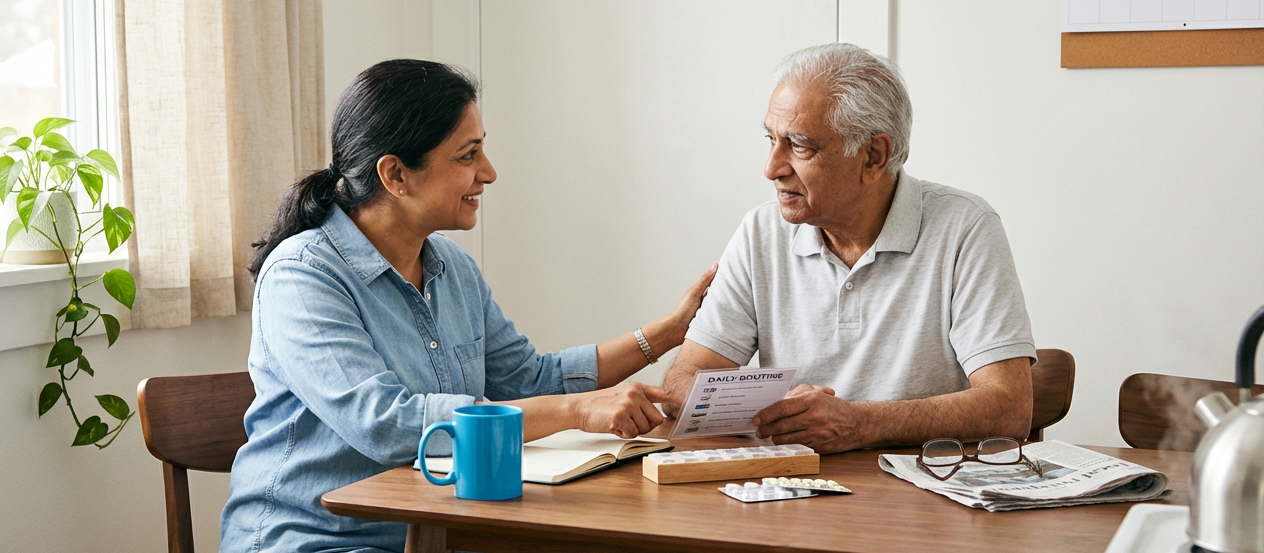
Managing medications for someone with memory loss requires vigilance. Missed doses or double dosing can have serious health consequences. It is essential to establish a reliable tracking system.
This might include pill organizers with clear time-of-day labels, automated dispensers with audible alerts, or medication reminder apps. Communication with healthcare providers is equally critical. You are the eyes and ears for the doctor.
Document any physical or behavioural changes you notice, especially after a medication adjustment. Communicate regularly with primary care physicians and specialists to discuss side effects and whether a medication is still effective. In the Canadian healthcare context, it is also important to coordinate care among different providers to avoid drug interactions or duplicate prescriptions.
Ask your pharmacist to review the full list of medications. For those with complex conditions, using tools like medical alert bracelets can provide critical information to responders if you are not present. Additionally, always ask healthcare providers about non-medication strategies—such as diet or therapy—that can complement pharmacological treatment.
Safety, Mobility, and Home Modifications
Creating a safe environment allows the person with dementia to remain independent for as long as possible while minimizing the risk of injury. Because perception and judgment are impaired, you must anticipate hazards that they can no longer recognize.
Door Safety and Wandering
Wandering is a significant concern for many families. A simple but effective modification is to install locks either high up or low down on exterior doors. Many people with dementia will not look beyond eye level to find a latch.
However, ensure these locks are easily accessible to other family members and can be opened within seconds in an emergency.
Bathroom and Fall Prevention
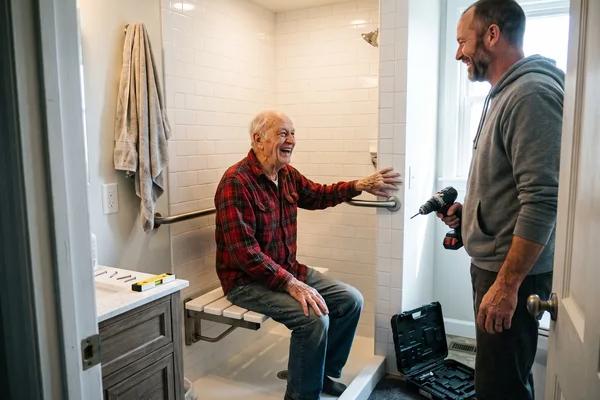
The bathroom is a high-risk zone. Never leave a person with dementia unattended in the bath or shower. Prepare all bathing items beforehand so you do not have to step away, and reassure them constantly about the water temperature to prevent panic.
To reduce fall risks throughout the home, remove tripping hazards like throw rugs and ensure pathways are clear. Installing grab bars and non-slip mats in the bathroom is standard advice that saves lives.
General Home Safety
Treat the home as you would for a small child. Keep dangerous objects, including cleaning supplies, sharp tools, and medications, securely locked away. Despite these restrictions, support their independence by allowing them to do as much as possible for themselves safely.
Caregiver Well-Being and Preventing Burnout
One of the most overlooked aspects of dementia care is the health of the caregiver. Burnout is not just fatigue; it is a state of emotional, physical, and mental exhaustion that can compromise your ability to care for your loved one.
Recognize the symptoms of burnout early. These include chronic sleeplessness, mood swings, depression, a weakened immune system, and a reduced ability to concentrate. If you notice these signs, it is time to act.
You must make time for your own self-care, including exercise, adequate sleep, and medical check-ups. Building a support system is vital. Do not try to do it all alone.
Delegate specific tasks to friends and family; people often want to help but don't know how. Specific requests like "can you handle the grocery shopping this week?" or "can you sit with Dad for two hours while I go to the bank?" are often welcomed. In Canada, utilize resources like adult day programs, which provide supervised socialization for your loved one while giving you a necessary break.
Joining a support group—whether online or through a local Alzheimer's society—connects you with others who understand your experience and can offer practical advice and emotional support.