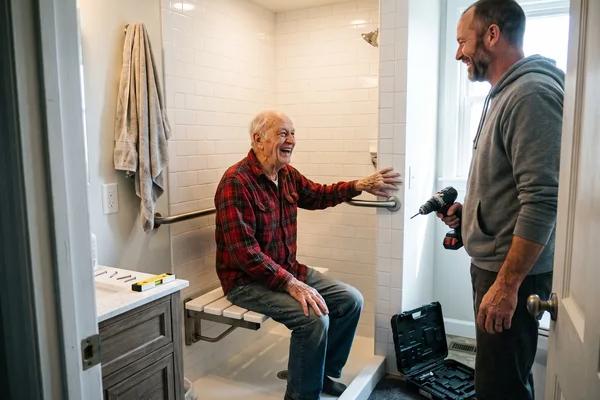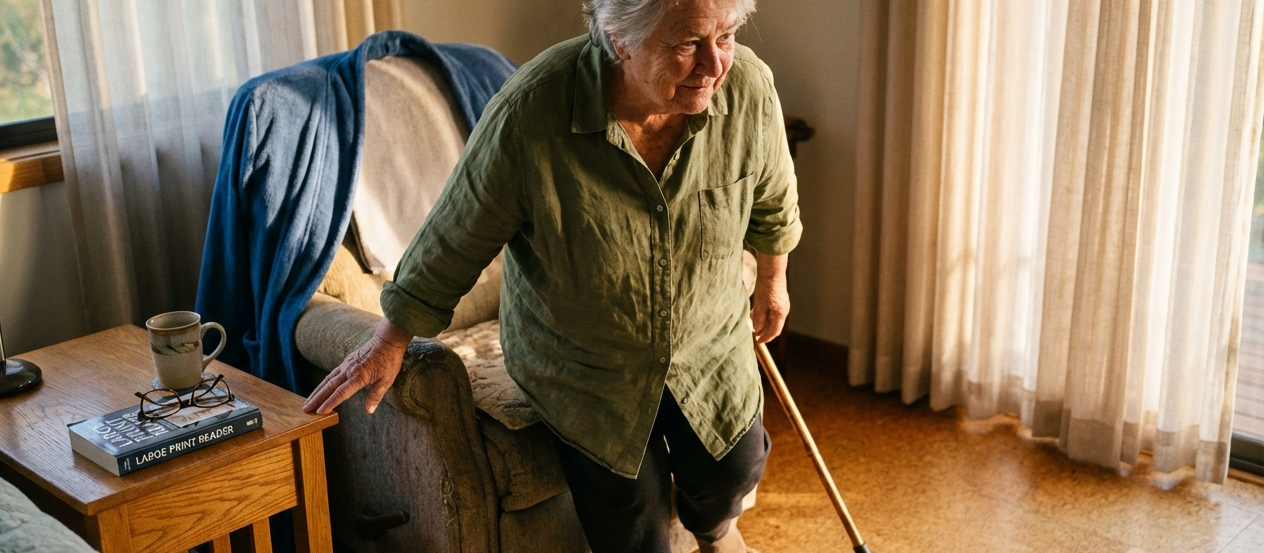
Your home should be your sanctuary, not a hazard zone. Yet, for thousands of aging Canadians, the very ground they walk on poses the single greatest threat to their independence. A slip on a polished hardwood floor or a trip over a raised threshold isn't just a minor accident—it is a life-altering event that can lead to hip fractures, hospitalization, and a permanent loss of mobility.
In Canada, this risk is compounded by our climate. Winter tracks in invisible layers of ice, slush, and road salt, turning entryways into skating rinks. Choosing the safest flooring for seniors isn't about aesthetics; it is a critical safety calculation. You need a surface that offers friction against wet boots, forgiveness for aging joints, and durability against the elements.
However, even the perfect floor cannot call for help if a medical emergency causes a collapse. That is why physical home modifications must be paired with reliable protection.
Key Takeaways
- Impact matters more than looks: Hard surfaces like tile and stone shatter bones. Shock-absorbing materials like rubber or cork can mean the difference between a bruise and a break.
- Canadian winters demand specialized materials: Your flooring must maintain high traction even when exposed to melting snow and salt.
- Transitions are hidden traps: Uneven heights between rooms are a leading cause of tripping for walker and cane users.
- Flooring is only half the solution: While grippy floors prevent slips, they cannot detect a faint or a heart attack. A medical alert system is the necessary partner to safe flooring.
The Hidden Dangers Beneath Your Feet
Falls are the leading cause of injury-related disability among older adults. The unforgiving nature of the surface beneath you plays a direct role in the severity of these injuries. Hard, slick surfaces like polished stone, ceramic tile, or hardwood offer zero forgiveness. When a senior falls on these surfaces, the impact force is transferred directly to the hip and spine.
Furthermore, seniors using walkers or wheelchairs face a different set of risks. Thick carpets create resistance that causes fatigue and increases the risk of the "shuffling gait" catching on the pile. You need a surface that allows for smooth gliding without being slippery.
You can install the softest cork flooring available, but if a senior suffers a stroke or dizzy spell, they will still go down. The floor mitigates the impact, but it cannot summon an ambulance. Smart fall detection technology fills this gap, ensuring that if gravity wins, help is already on the way.
Don't just upgrade your floors—upgrade your safety net. Shop the Holo Alert Pro today.
Flooring Materials: The Safe vs. The Dangerous
Not all flooring is created equal, especially when analyzing slip resistance (Coefficient of Friction) and shock absorption. Below is a direct comparison of common materials found in Canadian homes.
| Flooring Material | Safety Rating | Why It Wins or Fails |
|---|---|---|
| Rubber Flooring | ✅ Excellent | Becomes "grippy" when wet, offers superior shock absorption, and is durable against mobility aids. Ideally suited for bathrooms. |
| Cork Flooring | ✅ Very Good | Provides a soft landing that protects joints and bones. Warm underfoot, but requires sealing against moisture. |
| Low-Pile Carpet | ⚠️ Moderate | Good traction and warmth, but traps allergens and can be difficult to clean. Must be glued down to prevent tripping. |
| Luxury Vinyl Plank | ⚠️ Moderate | Waterproof and easy for wheelchairs to roll on, but harder than cork. Must be textured to avoid becoming a slip hazard. |
| Ceramic/Porcelain Tile | ❌ Dangerous | Extremely hard and unforgiving on impact. Becomes dangerously slick when wet. Avoid unless highly textured. |
| High-Gloss Hardwood | ❌ Dangerous | Beautiful but lethal in socks. Offers no shock absorption and damages easily with moisture. |
The Canadian Climate Factor: Dealing with Winter Risks
For Canadian caregivers, the challenge isn't just the flooring material itself; it's what gets tracked onto it. From November to April, our boots bring in a mixture of snow, grit, and chemical de-icers. This creates a dual hazard: the moisture creates a slip risk, while the salt degrades the finish of wood and laminate, eventually making them uneven or warped.
In entryways ("mudrooms"), waterproof materials are non-negotiable. Rubber or high-quality sheet vinyl are the only materials that can withstand standing water without warping. However, never rely on the floor alone. Secure, low-profile absorbent mats are essential to capture moisture before it reaches the main living areas. Note the emphasis on low-profile—thick mats are tripping hazards in disguise.
Winter weather increases isolation and fall risks. Ensure your loved one is protected inside and outside the home. Get 24/7 protection with Holo Alert.
The Great Carpet Debate: Rip It Out or Keep It?
One of the most common debates in senior home safety is whether to remove carpeting. While carpet feels "homey," it can be a deceptive danger.
The Argument for Removal
Thick carpet, shag rugs, and heavy padding make using a wheelchair or walker exhausting. The wheels sink, requiring significant upper-body strength to move. Worse, the transition from a hard hallway to a carpeted bedroom creates a height difference that easily catches a toe, leading to a forward fall.
The Argument for Keeping
Hard surfaces are punishing on aging joints. Walking on concrete or hardwood all day leads to increased pain in knees and hips. More importantly, if a senior falls on a hard floor, the risk of fracture is higher than on a cushioned surface.
The Verdict
Compromise with low-pile carpet glued directly to the subfloor (no thick pad). Or, better yet, switch to Cork or Rubber. These materials preserve the cushioning benefits while eliminating the friction issues of fabric.
Why Flooring Is Never Enough
You can install the highest friction coefficient rubber flooring in the world, and falls will still happen. Medical issues, medication side effects, sudden drops in blood pressure, or a simple loss of balance can drop a senior to the floor instantly. Safe flooring is a passive safety measure—it tries to prevent the fall or soften the blow.
But if a senior falls and cannot get up, the flooring cannot help them. "Long lie times"—remaining on the floor for hours—lead to dehydration, muscle breakdown (rhabdomyolysis), and hypothermia, even indoors. This is why knowing what to do after a fall is just as important as prevention.
Integrating a system like Holo Alert ensures that the moment a fall occurs, the response layer activates. We detect the impact and connect the user to emergency services or family immediately, regardless of where they are in the house.
Frequently Asked Questions
What is the absolute safest flooring for seniors to prevent falls?
Rubber flooring is the superior choice for safety. It provides high slip resistance even when wet (crucial for bathrooms) and offers excellent shock absorption to protect bones during a fall. While it has a commercial look, it is the gold standard for injury prevention.
Is carpet better than vinyl for seniors?
It depends on the senior's mobility. If they use a walker or wheelchair, vinyl (specifically textured Luxury Vinyl Plank) is safer because it doesn't impede wheels. If they walk unassisted, low-pile carpet offers better traction and cushioning than standard vinyl.
How do I make my existing tile floors safer without replacing them?
You can apply clear chemical anti-slip treatments that microscopically texture the tile to increase friction. However, these wear off over time. The safer, permanent solution is to cover high-risk areas with rubber mats that have beveled edges to prevent tripping.
Are transitions between rooms really that dangerous?
Yes. A threshold difference of just half an inch is enough to catch the toe of a senior with a shuffling gait or stop a walker wheel abruptly, causing a fall. You must install "zero-threshold" transitions or long, gentle ramp strips to bridge these gaps safely.
Secure Your Peace of Mind Today
Renovating your floors is a powerful step toward a safer home, but it is not a guarantee against accidents. Falls are complex events caused by health, environment, and mobility factors. You cannot control every variable, but you can control the outcome.
Don't wait for a "close call" to realize that physical home modifications need a technological partner. Equip your home with the safest flooring possible, and equip your loved one with Holo Alert. It is the only way to ensure that if the floor fails to prevent a fall, help will always be there to catch them.